Damp and Mould in Norbury Bathrooms: Causes and Lasting Fixes
Learn about the causes of damp and mould in bathrooms in Norbury and how to effectively fix these issues for good.
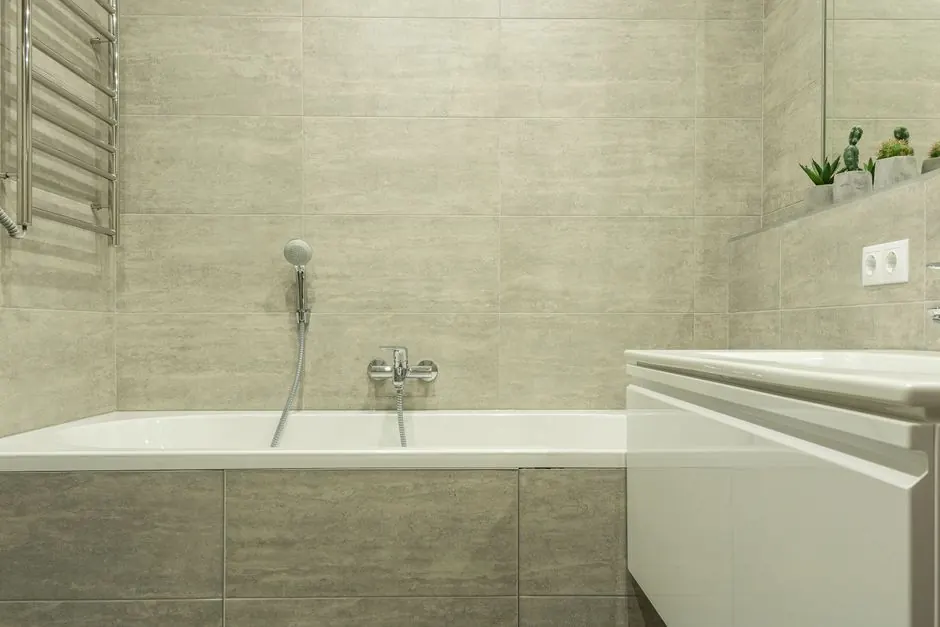
Damp and mould in bathrooms in Norbury can lead to serious health issues and structural damage if not addressed promptly. Understanding the causes and implementing lasting fixes is essential for any homeowner facing these challenges.
Damp and mould in bathrooms in Norbury is a common issue that arises due to excess moisture in enclosed spaces. This article will explore the causes, effective solutions, and preventive measures for dealing with damp and mould in your bathroom.
What Causes Damp and Mould in Bathrooms in Norbury?
Several factors contribute to damp and mould in bathrooms in Norbury. The primary causes include:
- High Humidity: Bathrooms often have high humidity levels due to showers and baths. This moisture can condense on cold surfaces, leading to dampness.
- Poor Ventilation: Insufficient airflow can trap moisture in the bathroom, creating an ideal environment for mould growth.
- Leaks: Plumbing leaks from pipes, taps, or the shower can introduce excess water into the bathroom.
- Cold Surfaces: Uninsulated walls and tiles can cause moisture to condense, contributing to dampness.
How to Fix Mould in Bathrooms in Norbury
Addressing mould issues in your bathroom requires a systematic approach. Here are steps you can take to effectively remove mould:
- Identify and Fix the Source: Check for leaks and repair them. Ensure that all plumbing is in good condition.
- Clean Mouldy Surfaces: Use a mixture of water and vinegar or a commercial mould remover to clean affected areas. Scrub thoroughly and dry the surfaces afterward.
- Improve Ventilation: Install an extractor fan or open windows while bathing to reduce humidity levels.
- Repaint with Mould-Resistant Paint: Once cleaned, consider repainting with a mould-resistant paint to prevent future growth.
Damp Solutions for Norbury Homes
For lasting fixes to damp issues in bathrooms, consider these solutions:
- Install Proper Ventilation: Adequate ventilation is crucial. Consider installing a high-quality extractor fan that operates automatically when the light is on.
- Use Dehumidifiers: A dehumidifier can help to control humidity levels in the bathroom.
- Insulate Walls: Insulating your bathroom walls can prevent condensation on cold surfaces.
- Regular Maintenance: Regularly check for leaks and maintain plumbing to avoid damp issues.
Preventing Damp and Mould in Norbury Bathrooms
Preventing damp and mould in bathrooms in Norbury involves proactive measures. Here are some effective strategies:
- Keep the Bathroom Dry: Wipe down wet surfaces after use to reduce moisture.
- Use a Squeegee: After showering, use a squeegee on tiles and glass to remove excess water.
- Install a Humidity Sensor: Consider a humidity sensor that triggers the extractor fan when humidity levels rise.
Common Mistakes to Avoid
Many homeowners make mistakes that exacerbate damp and mould issues. Here are a few to watch out for:
- Ignoring early signs of dampness, such as discolouration on walls.
- Using bleach to clean mould, which can be ineffective and harmful.
- Neglecting regular maintenance of ventilation systems.
When to Call a Professional
It's advisable to call a professional when damp and mould issues persist despite your best efforts. Norbury Bathroom Fitters can assess the situation and recommend comprehensive solutions tailored to your home.
Frequently Asked Questions
What causes damp and mould in bathrooms in Norbury? Damp and mould in bathrooms are primarily caused by high humidity, poor ventilation, plumbing leaks, and cold surfaces that encourage condensation.
How can I prevent mould in my bathroom in Norbury? Prevent mould by improving ventilation, regularly cleaning surfaces, and using dehumidifiers to control moisture levels.
What are the best solutions for damp in bathrooms in Norbury? Effective solutions include fixing leaks, enhancing ventilation, using mould-resistant paints, and insulating walls to prevent condensation.
How do I know if I need professional help for damp issues? If damp and mould persist despite DIY efforts, or if you notice structural damage, it's time to consult professionals.